

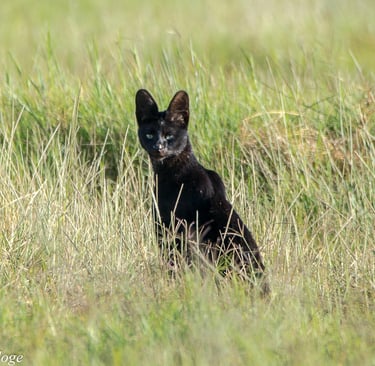
The “Swamp Ghost” Saga

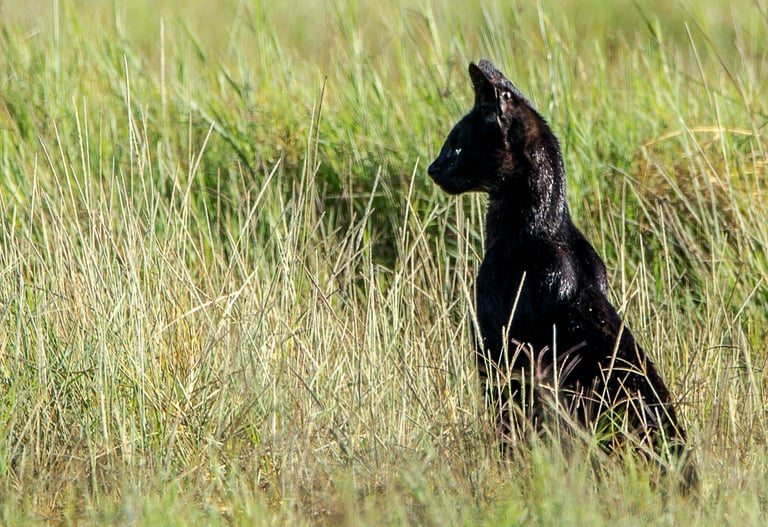
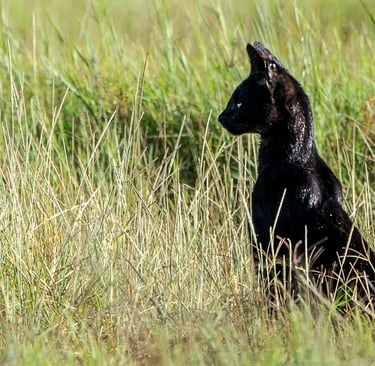
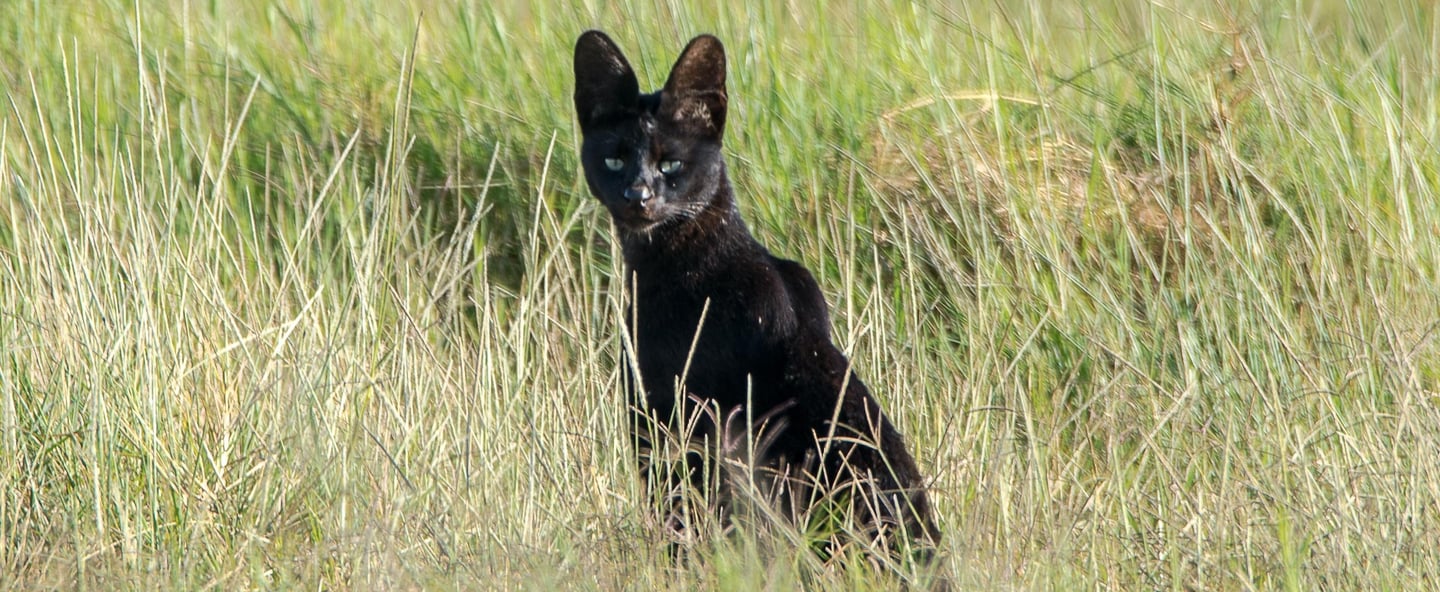
With my eyes fixed on the binoculars, I scrutinize, scan and monitor the surroundings in 360°. Suddenly, a small black spot emerges from the tall grass. Its large ears betray its owner. It's HIM (actually SHE because we learn later that it's a little female). And then, suddenly, my little world seems to turn upside down. There, at the end of my 500 mm, in excellent conditions, I see the "ghost of the marshes", this Serval Noir that I dreamed of. I have experienced many emotions in my little experience as an amateur photographer in the savannah, but none can match the one I am currently experiencing. Alone, in the middle of Amboseli, with, at the end of my lens, the animal that all wildlife photographers dream of. The adrenaline is flowing freely. What about the settings? What about light? Everything is in order. I shoot with hands that shake a little. Trust Nikon for stabilization...
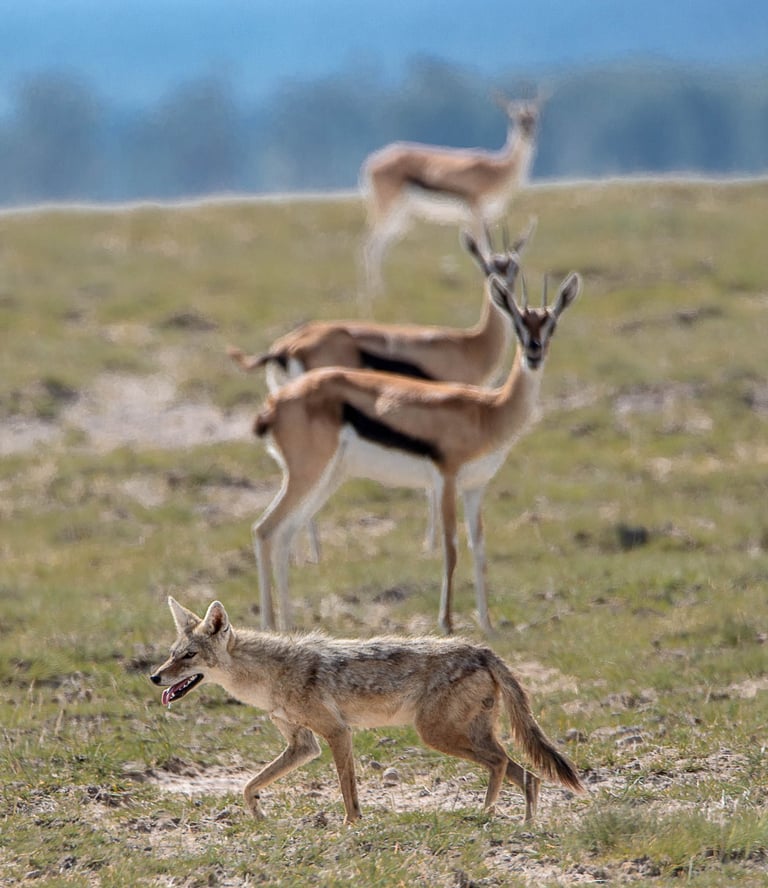
The observation will be shorter than expected because a black-backed jackal prowls in the area. Whatever. I have just experienced exceptional moments. I only saw this Serval Noir again on one other occasion, in poor conditions. I don't know what happened to the "Marsh Ghost". Some photographers have seen a black serval on other occasions. Was it the same? It doesn't matter. All that matters is the incredible emotion it gave me. Without being able to imagine it, it completely changed my life. Have a good trip, little Black Serval Cat.
No possible hesitation. Batteries charged, maps emptied, car full.....direction Amboseli National Park. As soon as the next day, I went to the area. The wait begins, under a bright sun. On the sunroof of the car, the devices are operational and I take the opportunity to drink a coffee and enjoy the moment. I am alone, just in front of Kilimanjaro which lights up in the rising sun. No other noise than that of the awakening savannah disturbs the tranquility of these exceptional moments. It’s a fabulous moment of serenity that I’m experiencing.
It was not possible for me to start a blog about the eight years I spent in Kenya without mentioning an event that completely changed my life. Let's go back to June 2021. In the middle of the Covid period, Kenya's parks are empty. It is almost impossible for tourists to come on safari. For us, living in Kenya, traffic is complicated, but we can still get to certain areas. Impossible to go to the Mara, but Amboseli is accessible. It was at this time that a rumor began to circulate among photographers and guides in Kenya.....A Black Serval would have been seen in Amboseli, and, unlike its congeners, it would not be too shy and relatively easy to find. As is often the case, the information had to be verified. Confirmation was given to me by a photographer friend who had taken photos of it and had given details of the location where it might be possible to find.
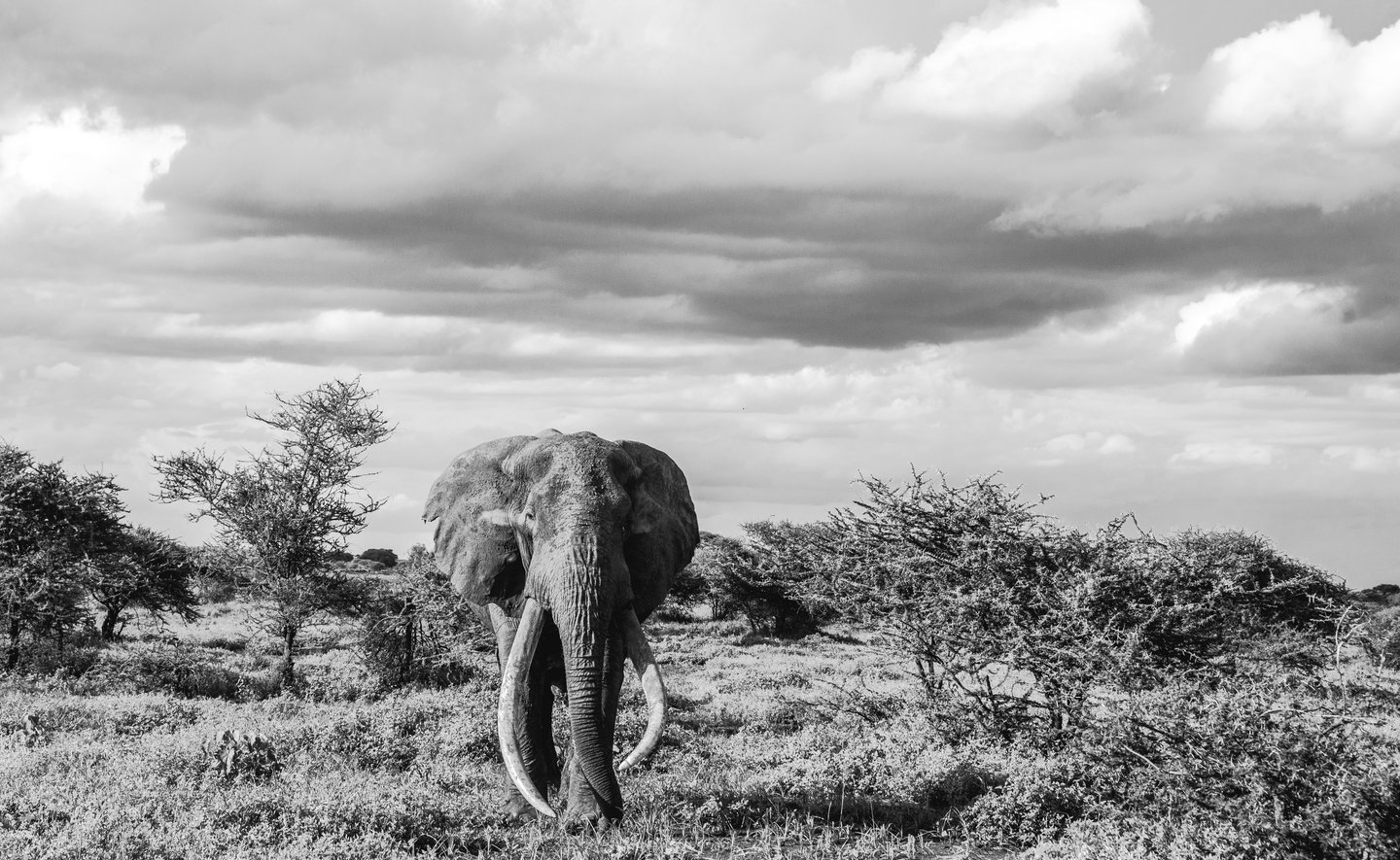
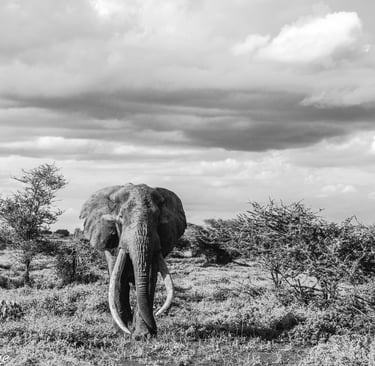
Craig and the Tuskers at Amboseli

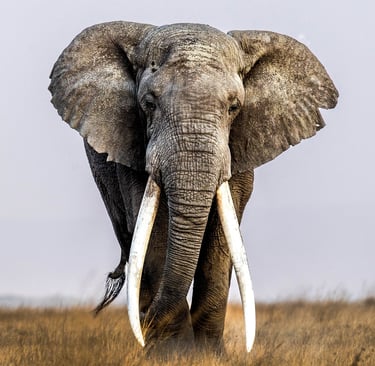
Craig ...
Michael
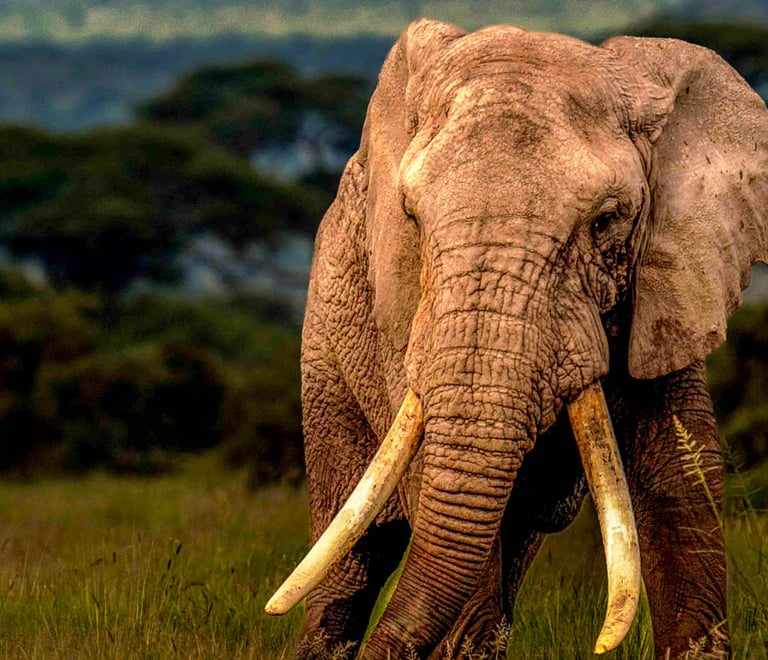
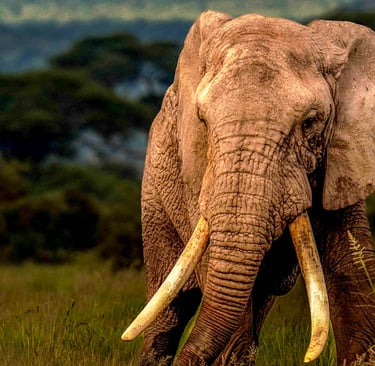
Conor

T.Jay
T.Jay
Encounters with the Giants
Craig & Gigi
The photography of “WildLife” is very often a matter of emotion, the emotion we feel in front of a situation, an animal or even a landscape. And one of these strong emotions is the one that hits you hard when you are in the presence of one of these African myths, the Tusker.
Just because an elephant has long tusks does not mean it can claim the coveted title of "Tusker", much less that of "Super Tusker". This will be the subject of a later article because the subject often triggers heated debates. In any case, the Amboseli eco-system is home to a large number of elephants whose spectacular displays are quite impressive. They are part of the legends of Kenya and Africa.
To date, specialists estimate that there are only around thirty "Super Tuskers" left on the Continent. These are male elephants (only males) who have reached the age of 45 to 55 years and whose tusks are long enough to touch the ground and each weighs around 45 kilograms. Very simplistic definition, but with which we will make do.
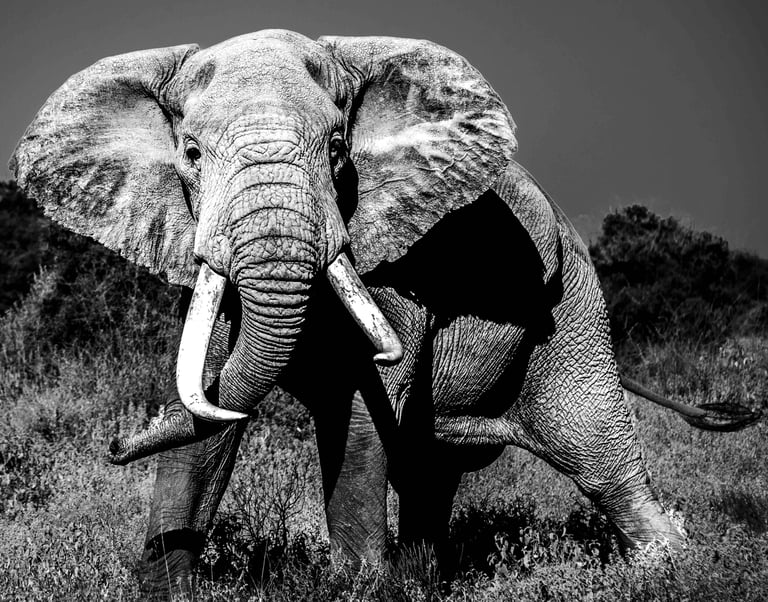
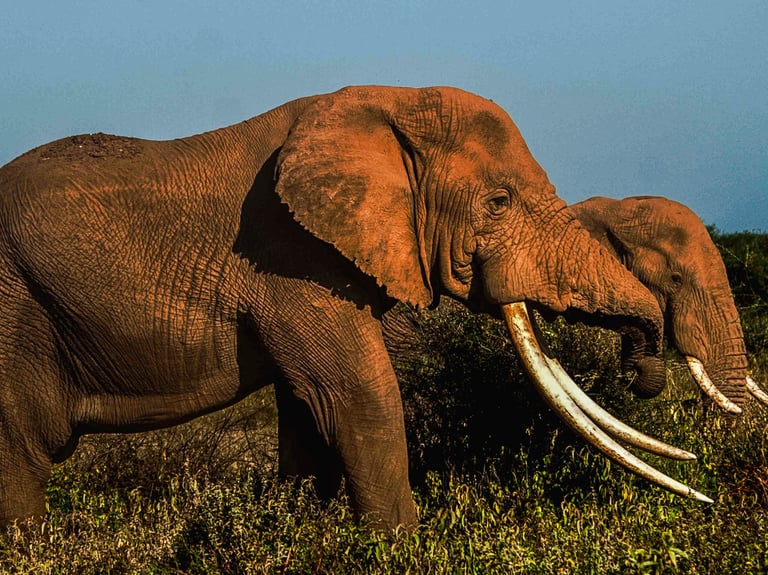
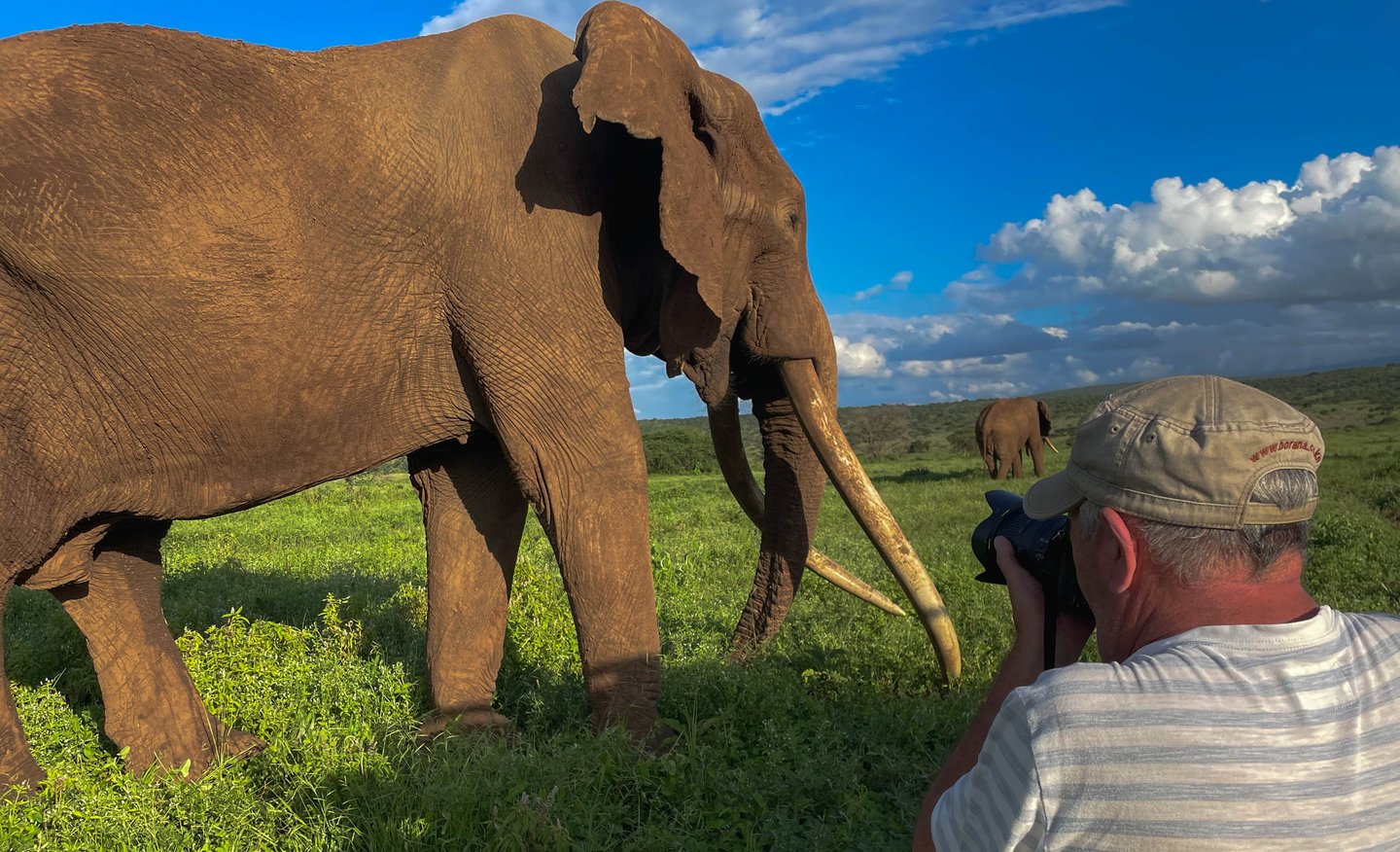
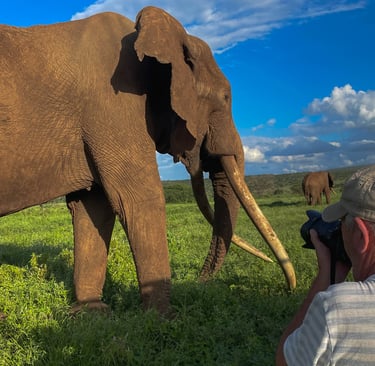
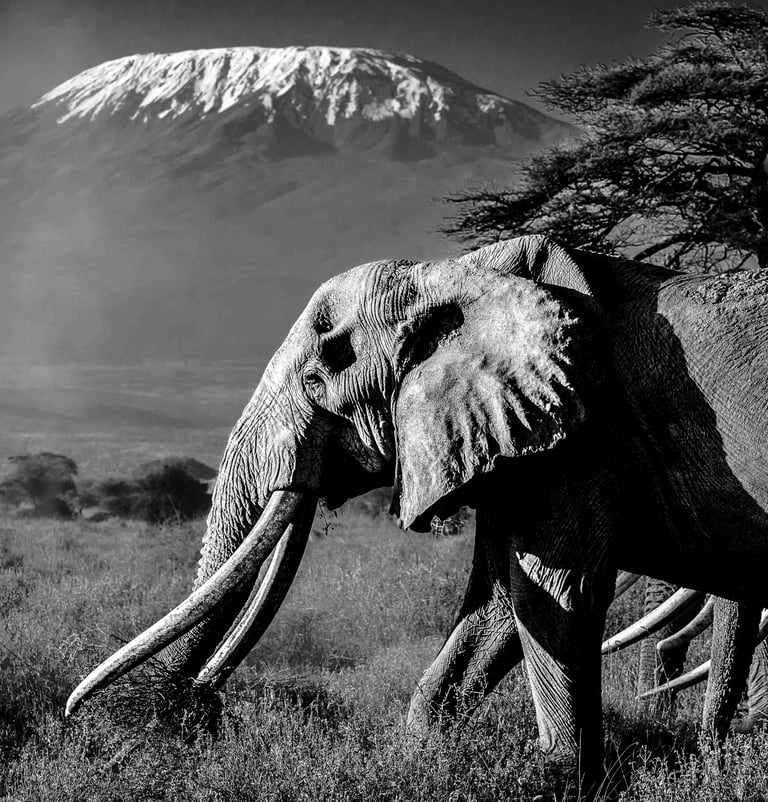
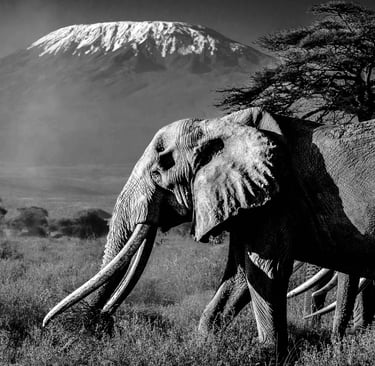
Amboseli has around ten Tuskers, which can be classified into 3 categories: the "emerging Tuskers" (Conor or T.Jay in photo), the "Tuskers" (Michael) and the "Super Tuskers". At the forefront of these legends is CRAIG. After the deaths of Tim and Tolstoy, interest logically focused on Craig for several reasons. First of all, it is a very spectacular elephant, with a very long tusk on the right side. Then, due to its status as a “World Star”, it is almost constantly monitored by a group of Masai who protect it from possible poachers. Finally, something very rare, Craig has an excellent character and it is relatively easy to approach him (if you are with a Masai guide) as you can see in the last photo. The other side of the coin, its ease of approach has generated enthusiasm and an important source of income for certain guides, and without it bordering on the free-for-all like sometimes within the National Park, the pressure exerted by tourist cars is quite significant.
All this is quickly forgotten when you get close to the elephants. The magic of the moment operates. Seeing this behemoth move with a certain elegance, without any noise, with (if you're lucky) the snow-capped peak of Kilimanjaro in the background......I can assure you that these are images you will never forget. And if you didn't manage to take a quality photo, that image will remain engraved on the most sensitive camera in creation: your retina.
Craig
The Migration of Zebras in the Masai Mara


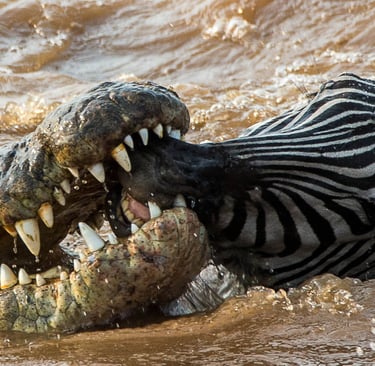
While the Great Wildebeest Migration in the Masai Mara is rightly considered one of the Natural Wonders of the World, involving more than 2 million animals, especially wildebeest and zebras, there is another migration that is certainly as spectacular, and much less known: the Zebra Migration and, as with the wildebeest, the oh-so-perilous crossing of the Mara River on the way to moving the animals back to Tanzania.
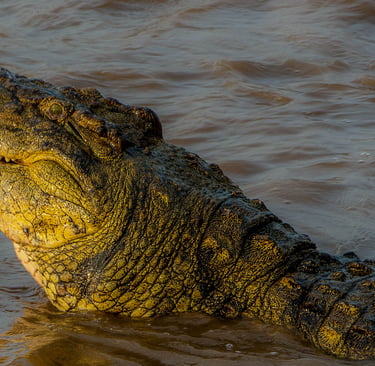
This migration, perhaps less spectacular than that of the wildebeest, sees thousands of plains zebras massing on the banks of the Mara River, before setting off to cross the sometimes impetuous waves of the river. And to make matters worse, hundreds of Nile crocodiles are in ambush for the first of their annual feasts. It was in July 2020 that I had the opportunity and chance to attend this fabulous show. We were in the middle of the Covid period. Kenyan airspace was closed, prohibiting any arrival of airplanes loaded with the tourists who usually flood at this time.
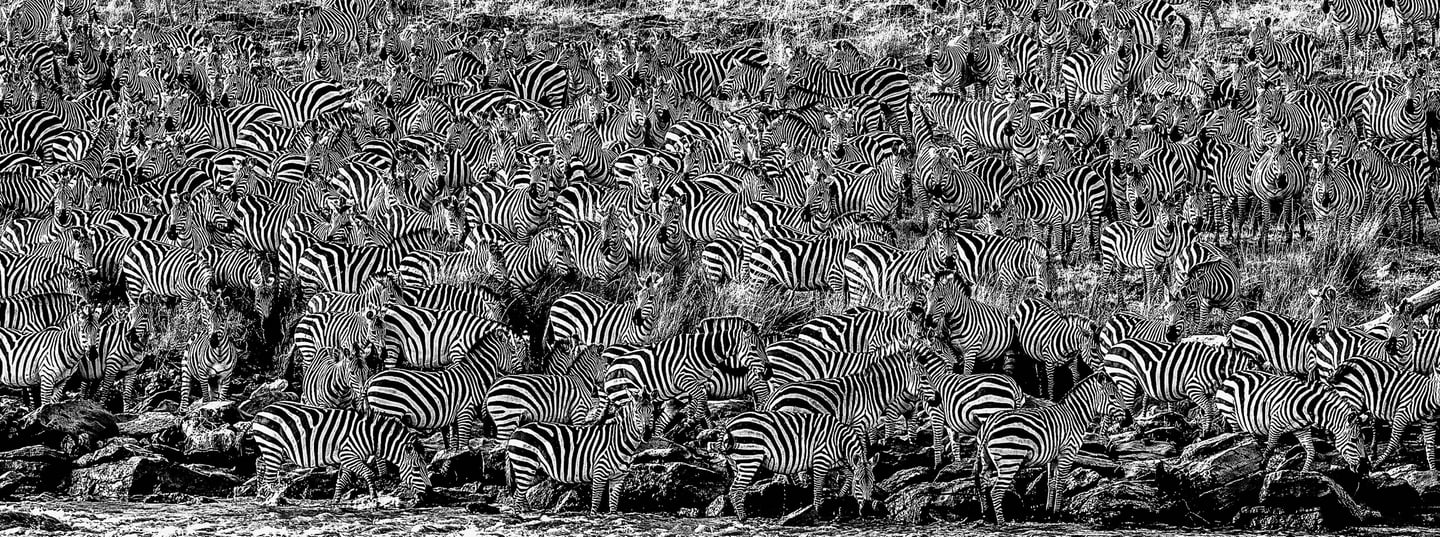
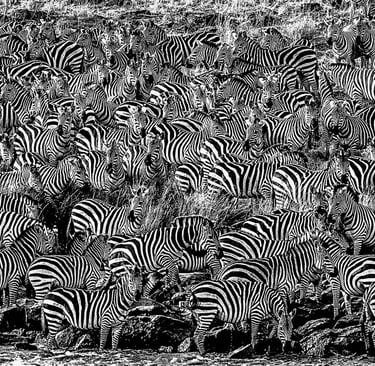
This exceptional situation, dramatic for the rest of the world, turned into a blessing for me and my two safari companions, Nicolas and Alain. We found ourselves, on this July day, completely alone (our two cars and that of the rangers) on the banks of the river, on the Mara Triangle side. I prefer to be on the Triangle side, because the migration takes place from the Masai Mara towards the Triangle and the animals arrive from the front, which allows for stronger shots.
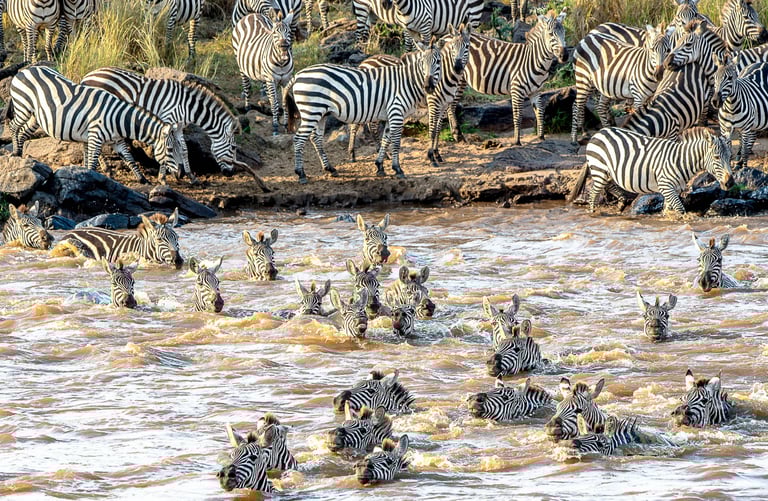
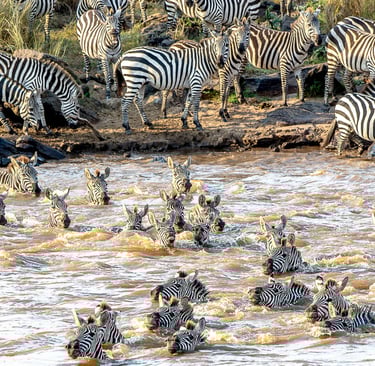
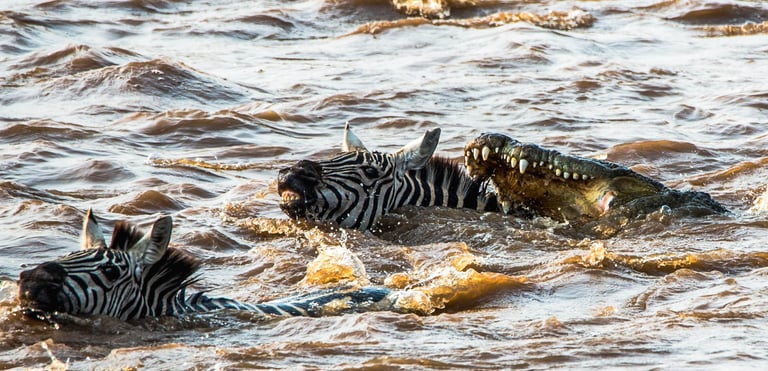
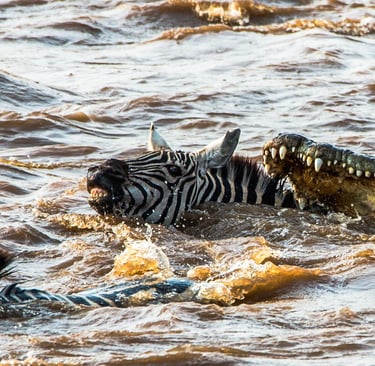
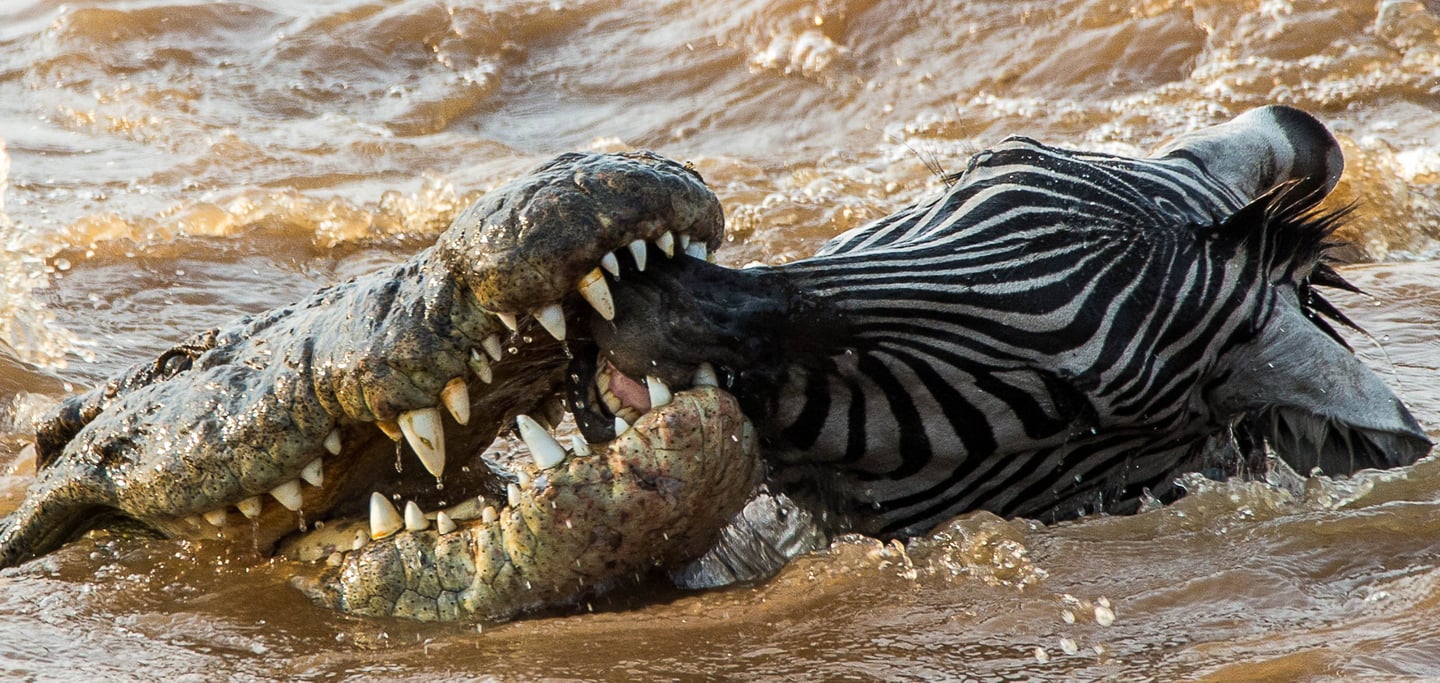
This afternoon, we discovered hundreds of zebras, massed on the bank, waiting. It's certain, they will cross. You just have to be patient. Suddenly, without any warning sign, a first zebra darts, then a second. A clear shudder runs through the herd. And the show begins. Mind-blowing. The neighing creates a deafening din. On the sunroof, I shoot in all directions. Very quickly we see long greenish shapes gliding on the water. The crocodiles are there.
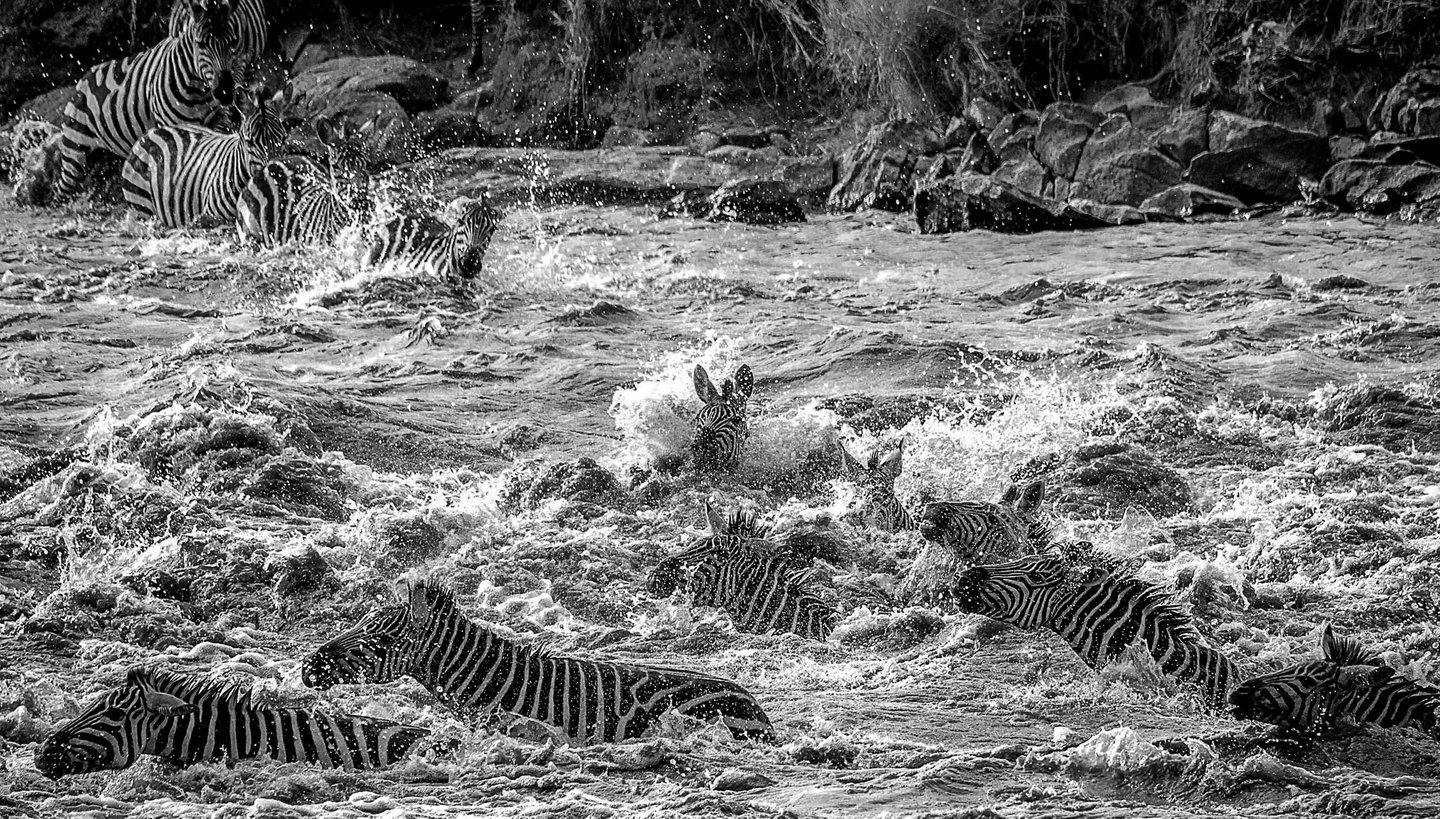
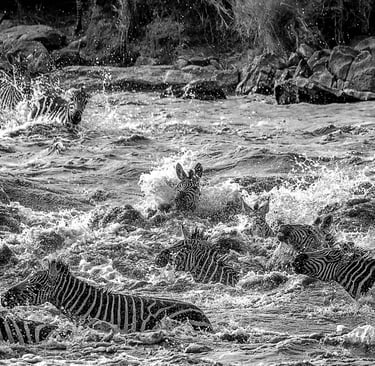
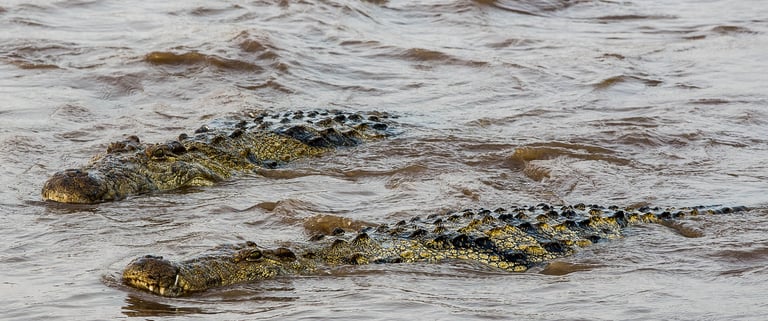
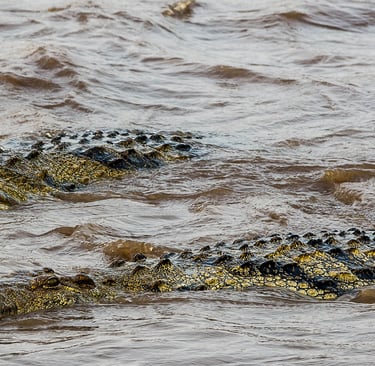
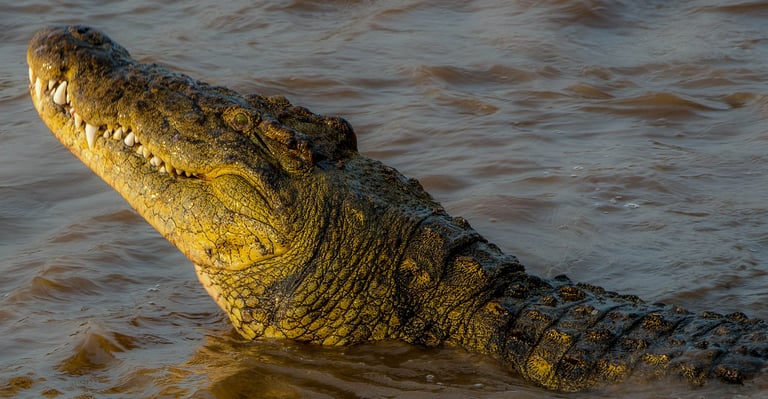
The violence of the moment is indescribable. Zebras, cubs and adults, throw themselves into the water, fighting against the current. At times we see a head disappearing, snatched by a crocodile. The vast majority of the herd will succeed in crossing, at the cost of sacrificing a few elements. The terrible Law of Nature, there, before my amazed eyes. The scene will last less than an hour and the zebras will reach the plains of the Triangle before resuming the journey which will take them to the Serengeti. The following year, it will perhaps be the same animals which will return, to the same place, to undertake a new Migration. I appreciate the incredible luck that was mine. The great spectacle of an event that you perhaps only see once in your life.

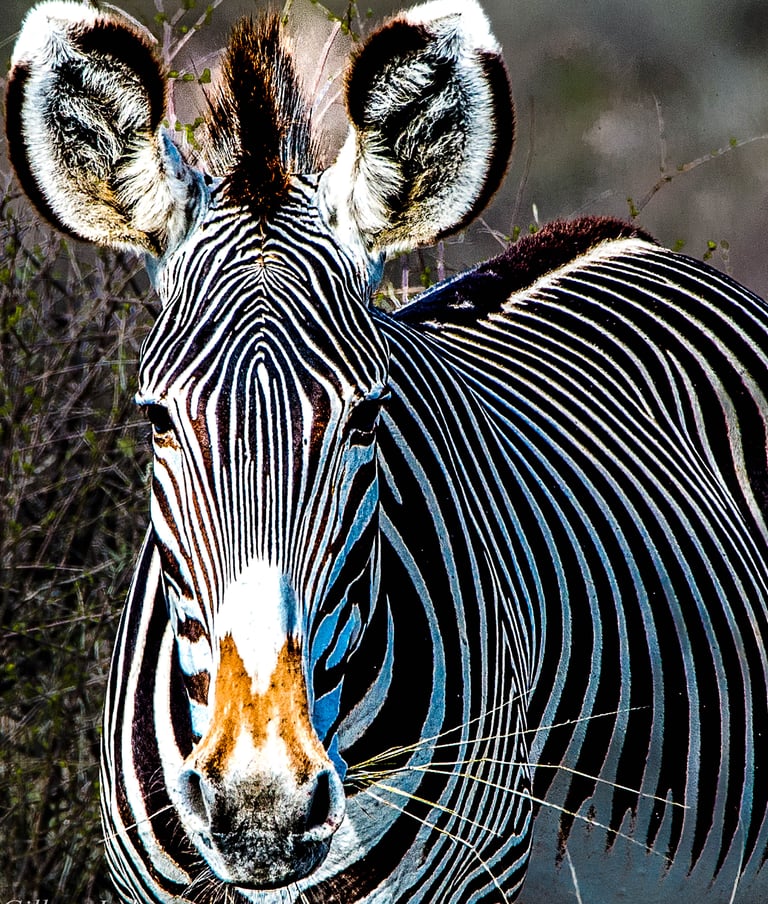
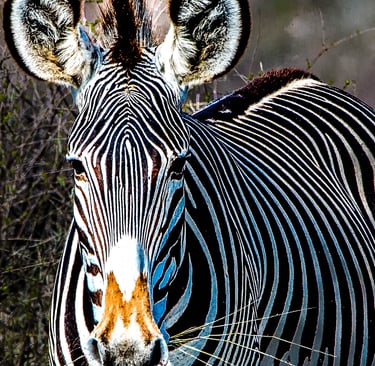
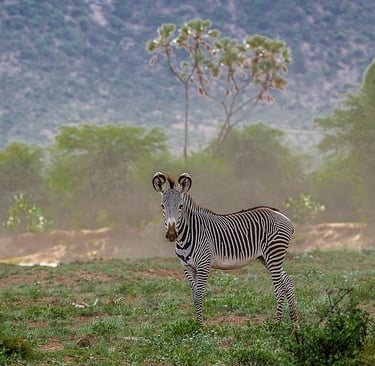
Grévy's Zebra
The most French animal of the African savannah
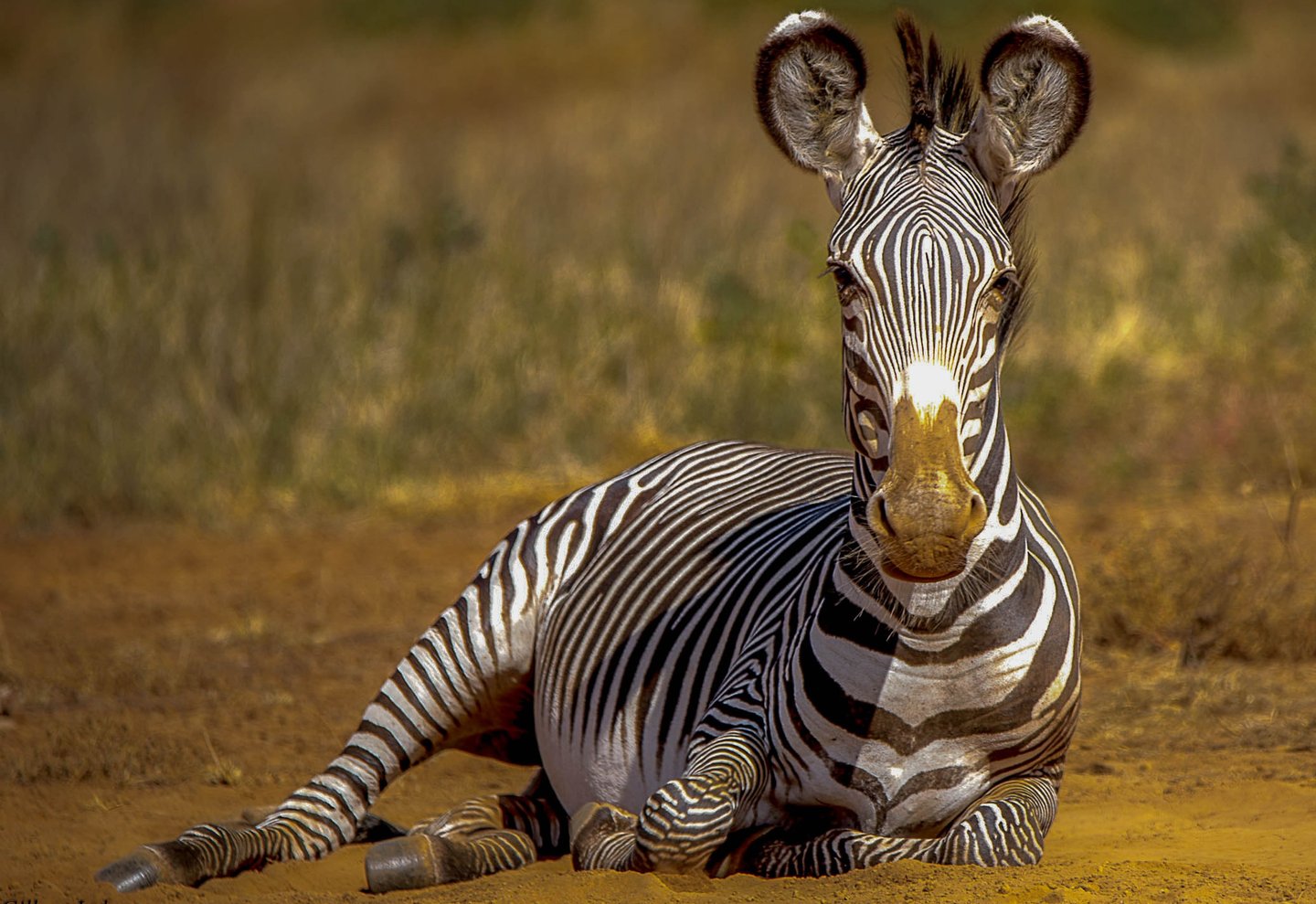
With some 3,000 animals recorded in the wild, the Grévy zebra is classified among the species in serious danger of extinction. It is the largest of the zebras and differs from other species by its donkey-like appearance and its coat with very fine stripes.
During his visit to France, Menelik II, Negus of Shoa, one of the kingdoms of the Abyssinian Empire, offered a zebra to the President of the Republic. It was the French naturalist Emile Oustalet who first studied this animal in 1882, and he named this species after Jules Grévy, then President of the French Republic. This is the reason why I consider the Grévy's Zebra to be the most French animal of the African savannah.
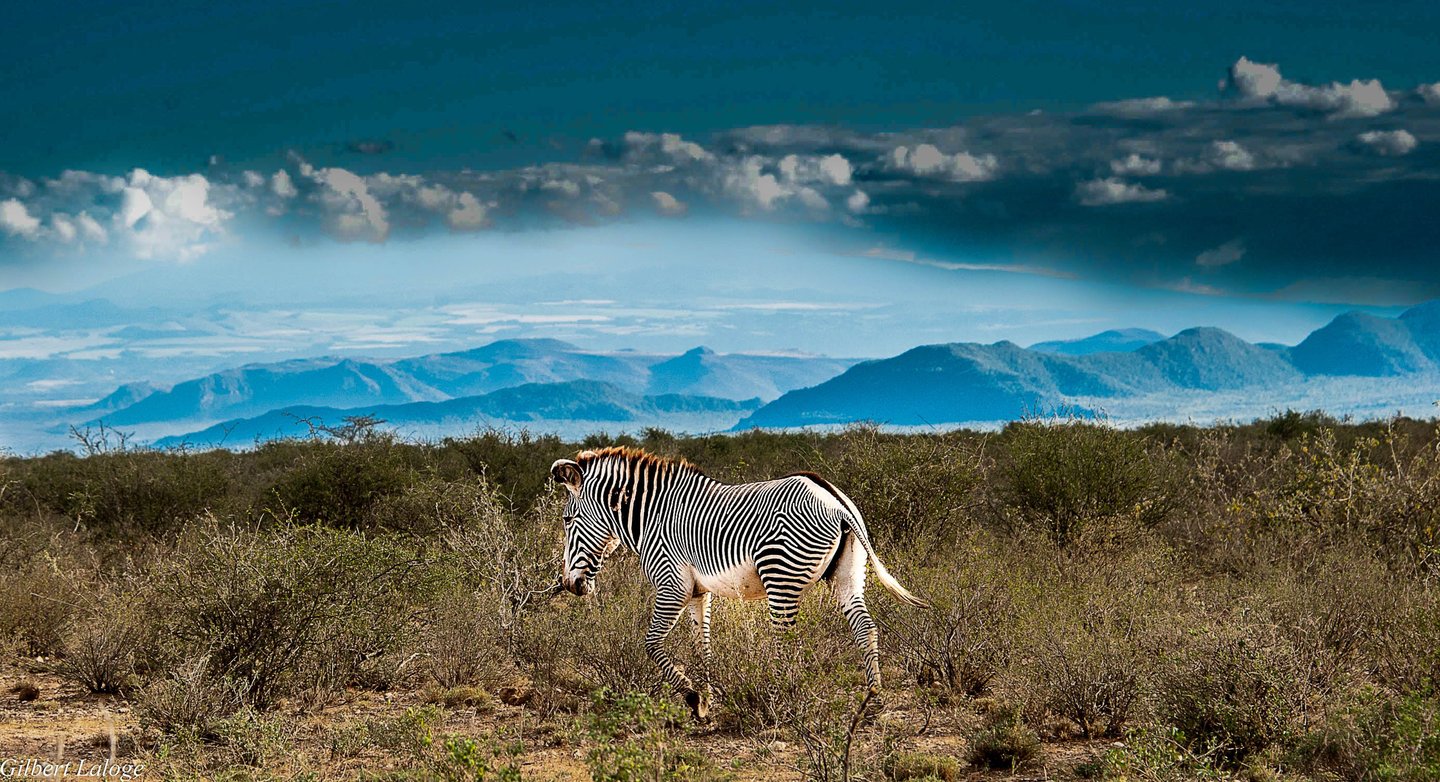

The Grévy's zebra is the largest of the zebras, and the largest of the equines living in the wild. Its geographical distribution is concentrated on the northern part of Kenya (from the Laikipia Plateau to the border with Ethiopia), as well as on some small areas of Ethiopian territory.
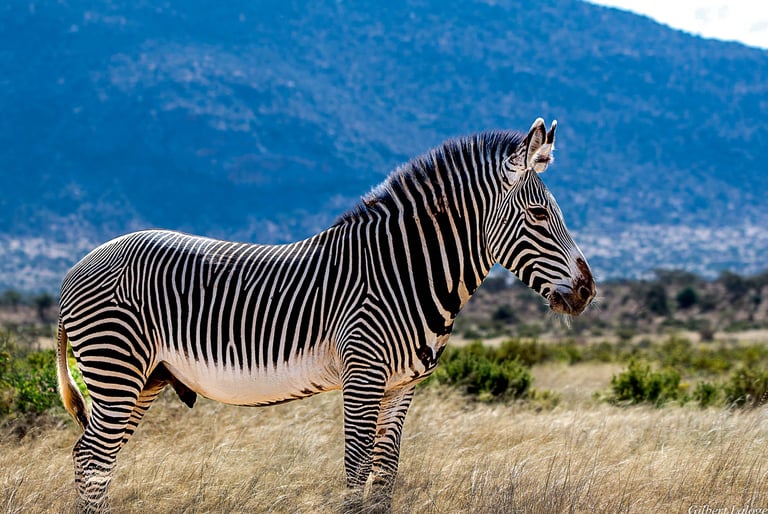

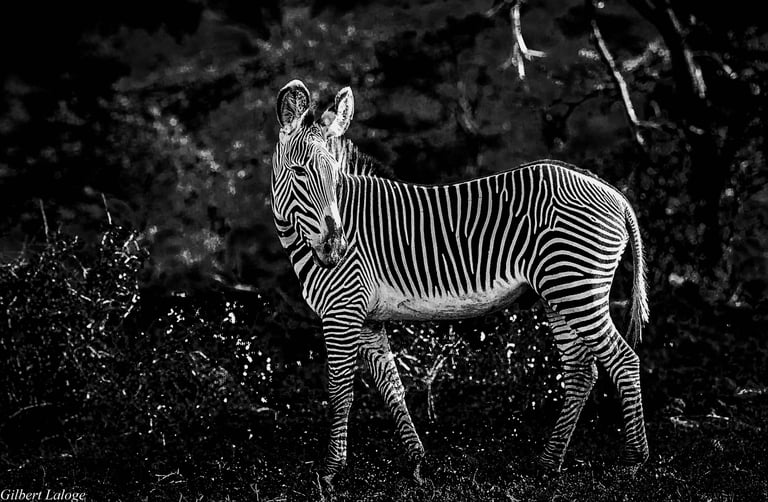
It differs from other zebras by its size, fine stripes and large rounded ears. It can be found in the Samburu, Buffalo Springs and Shaba Reserves, as well as the Laikipia Conservancies.
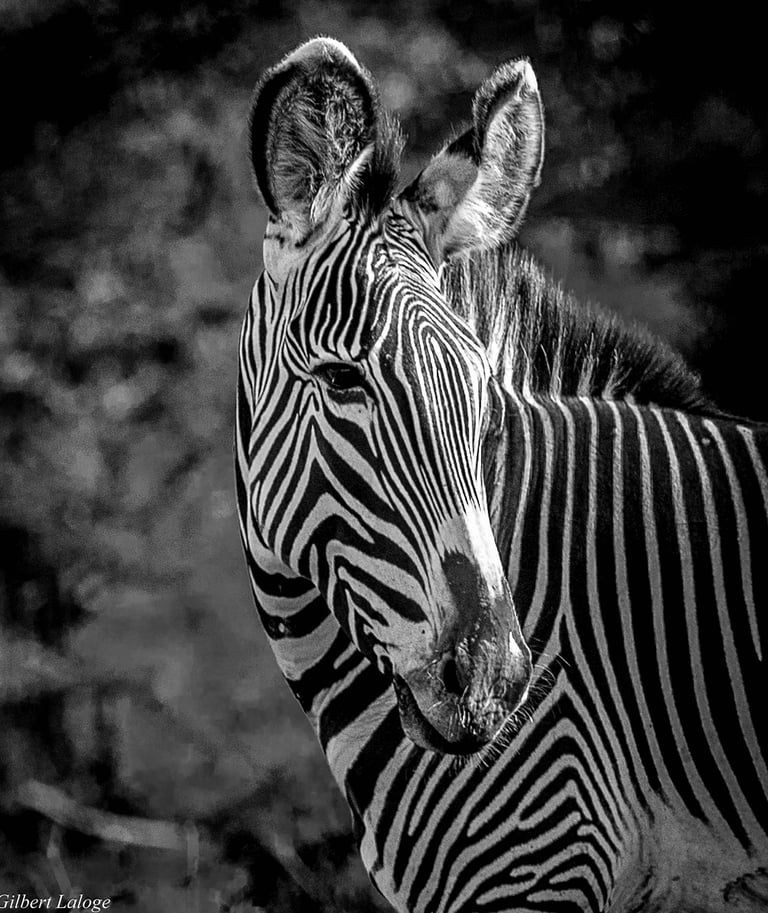

Due to its origins, this superb animal deserves that France takes a little care of it. The protection of African wildlife is a local and global affair. However, even if it means protecting the majority of savannah species, in the midst of the enormous sums intended to support all kinds of NGOs, which often do good work, our country could bend over and organize a specific operation to help save the most French of animals in the African savannah.

The magic of Amboseli
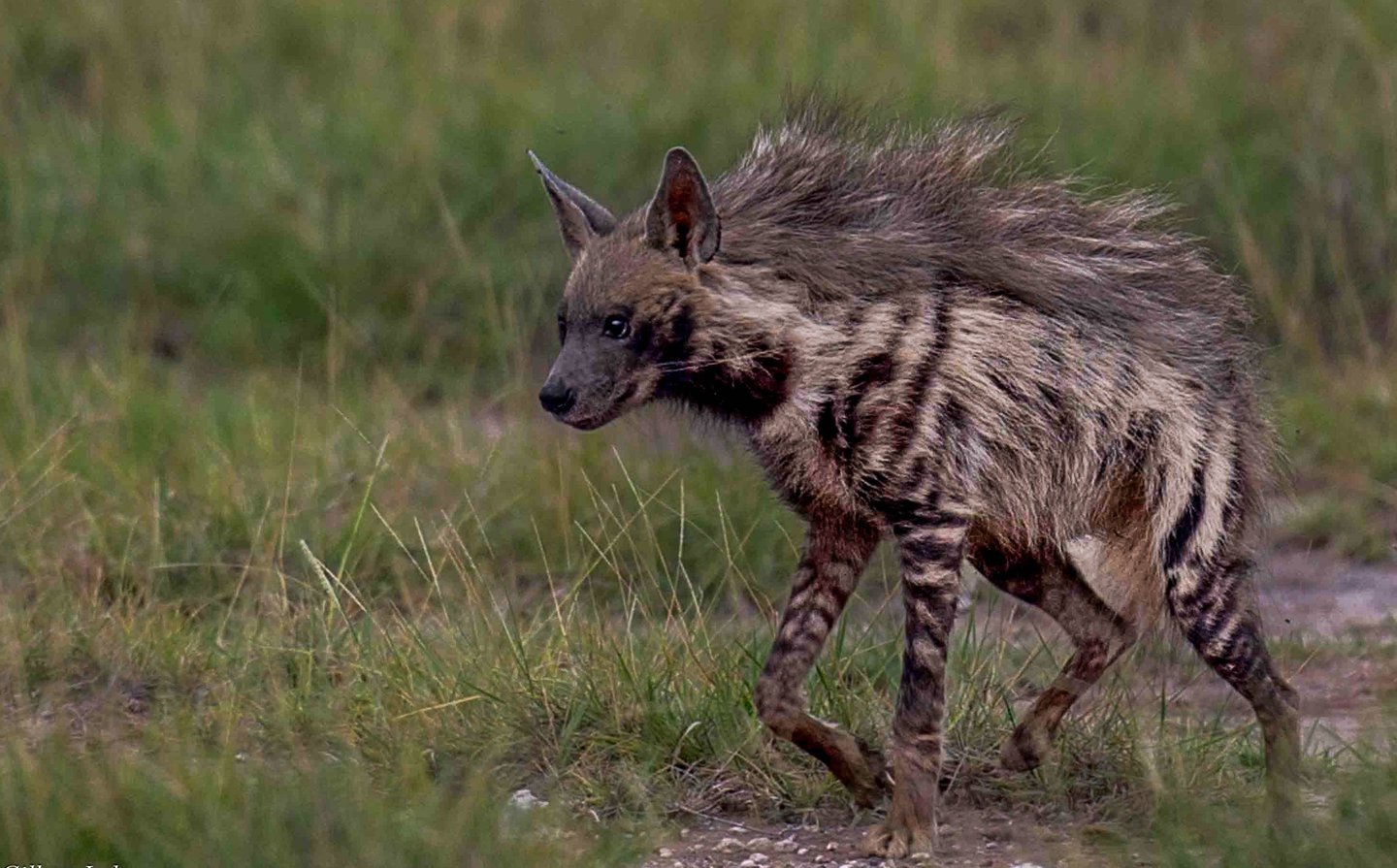
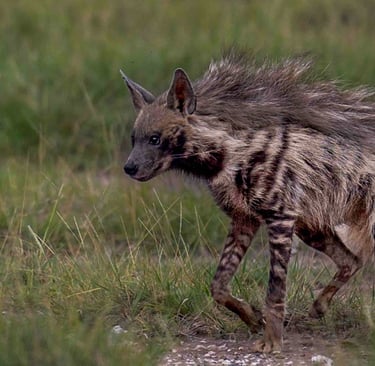
Striped Hyaena
“Amboseli is good, but we go there mainly for the elephants.” This is a phrase that I often hear, uttered by people who have only come once, and for very short stays. I understand completely, but this is too simplistic a comment. Let us all admit that the elephants passing in front of Kilimanjaro are a spectacle that a large majority of the world's population dreams of, and those who witnessed it have unforgettable memories. But Amboseli is also an incredibly rich eco-system and, for those who, like me, have the opportunity to go there often, it is a place where it is possible to see and take photos of very rare species to be observed in other Kenyan parks. And this, in excellent conditions due to the very flat nature of the eco-system. Animals can be seen from quite a distance, with fewer obstacles.
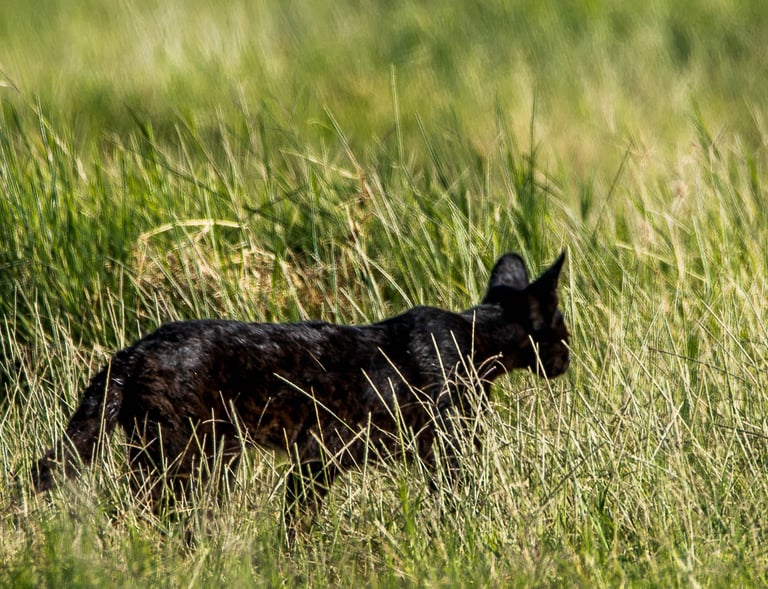
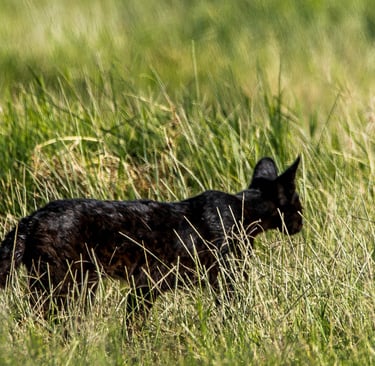
Black Serval Cat
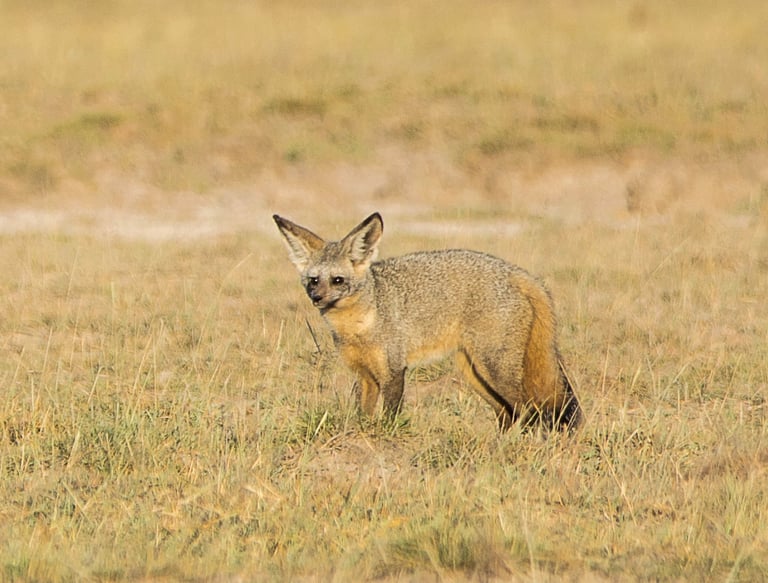
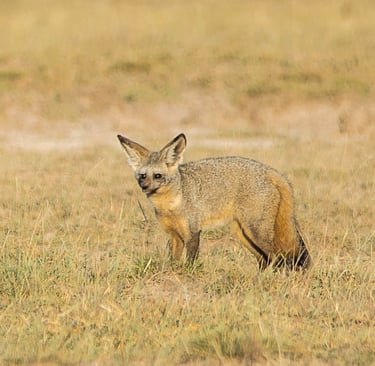
Bat-eared Fox
But for this, two conditions must be met: shake up the codes pre-established by the guides a little and, of course, have a little luck or perseverance.
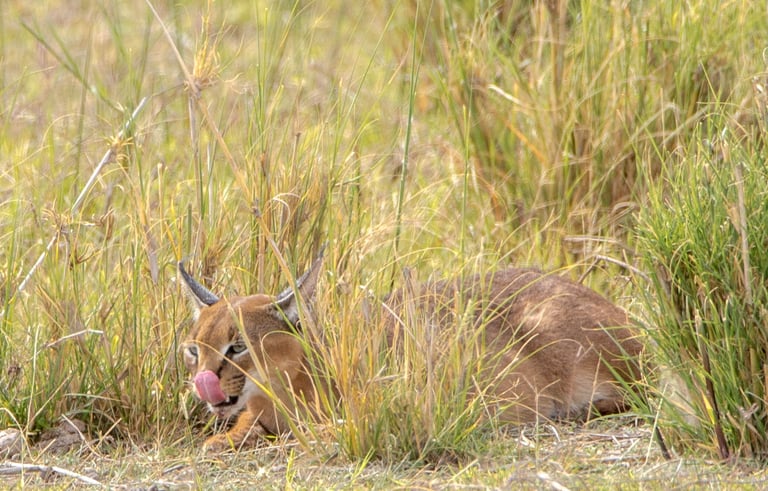
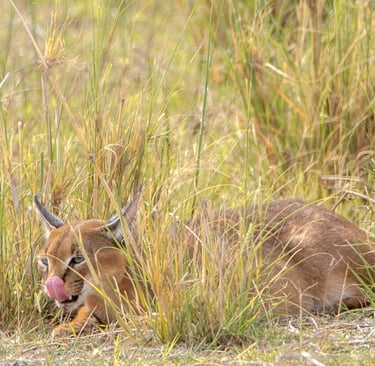
Caracal Cat
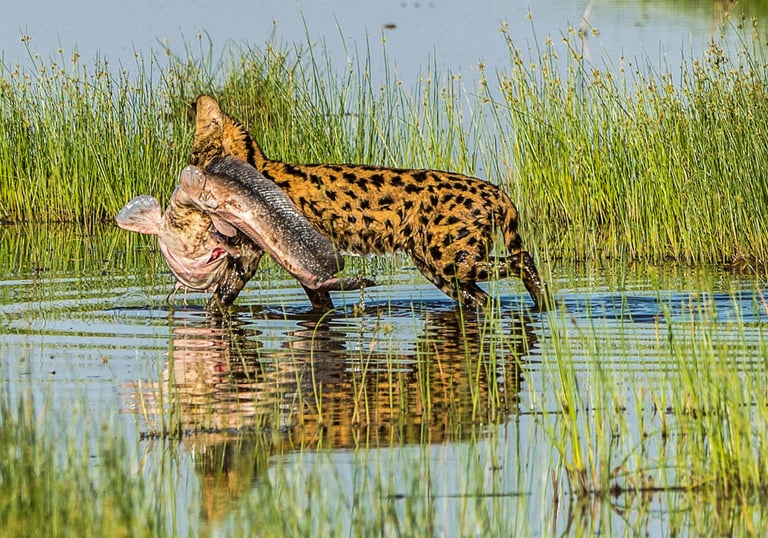
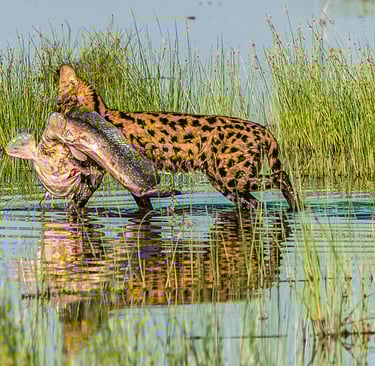
Serval Cat Fisherman
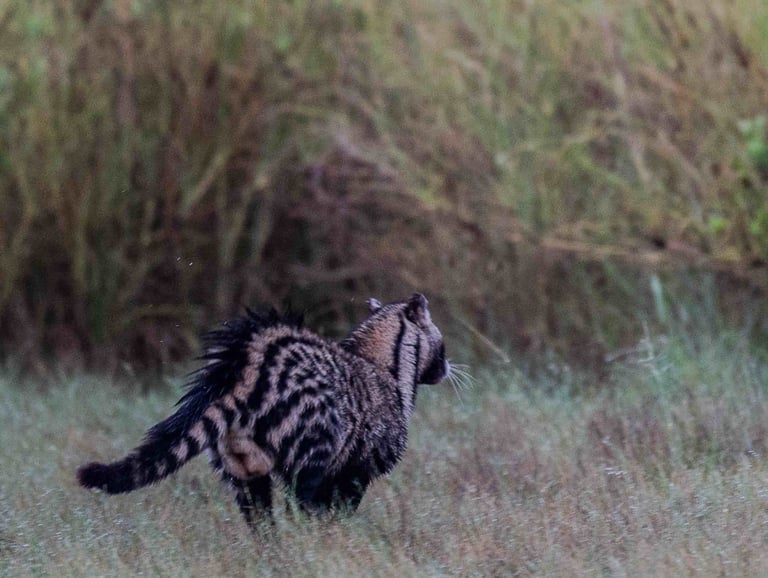
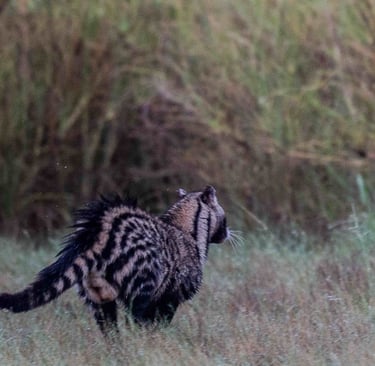
It is necessary to get off the traditional beaten track, to explore a little in areas far from the main roads. So, you may have the opportunity to come across a Caracal, an African civet, an African golden wolf, a Striped-sided Jackal, Otocyons (bat-eared foxes), an Egyptian mongoose ( Herpestes ichneumon ) or even, oh, incredible luck, to spot the furtive silhouette of the Black Serval.
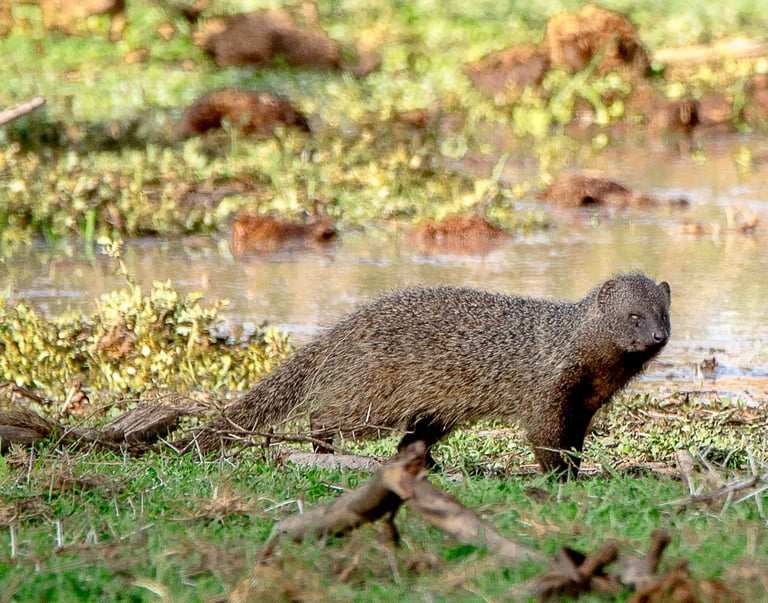
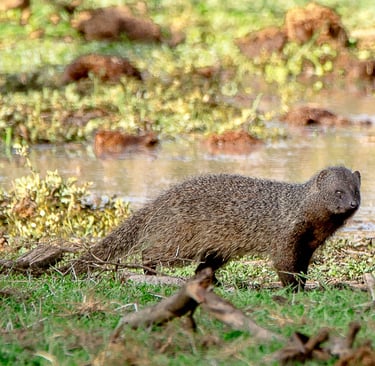
Egyptian Mongoose
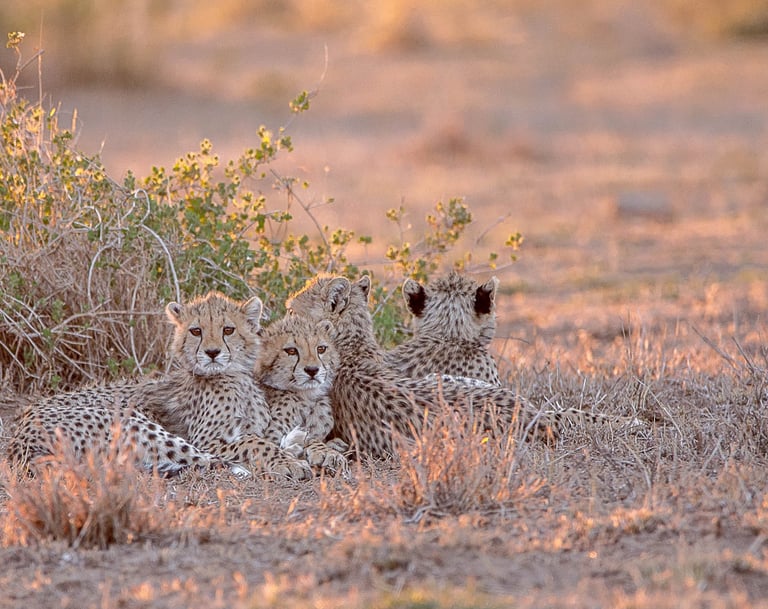
This is the magic of Amboseli. Lots of incredible viewing opportunities, with amazing lights at sunrise and sunset. The spectacle is permanent, but you have to give yourself the means, the time and the patience to discover them. I have this chance. I hope you will share it.
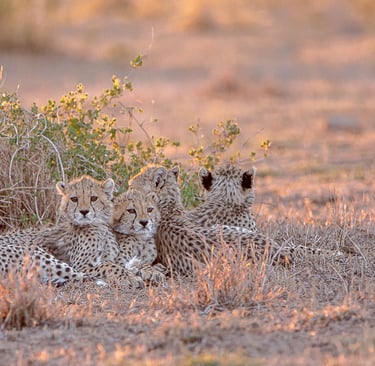
Baby cheetahs
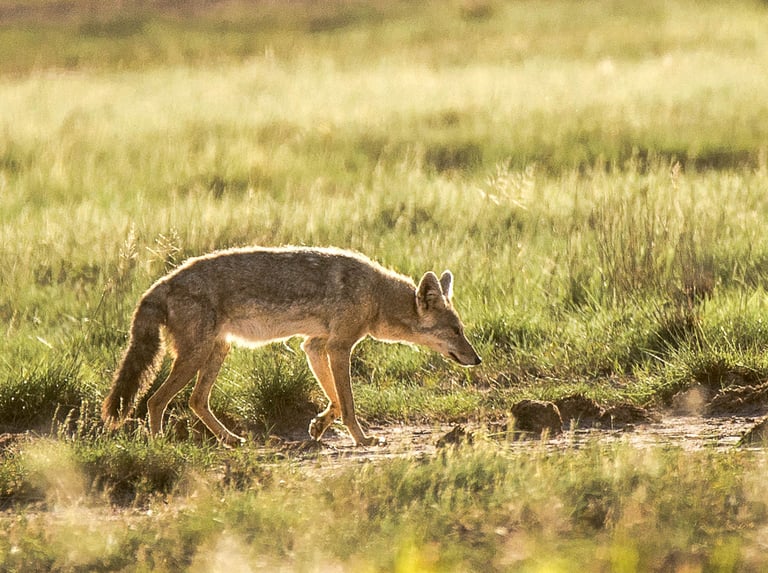
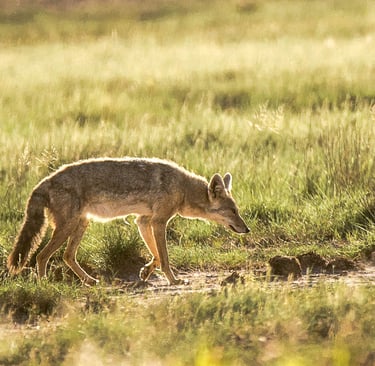
African Wolf
African Civet
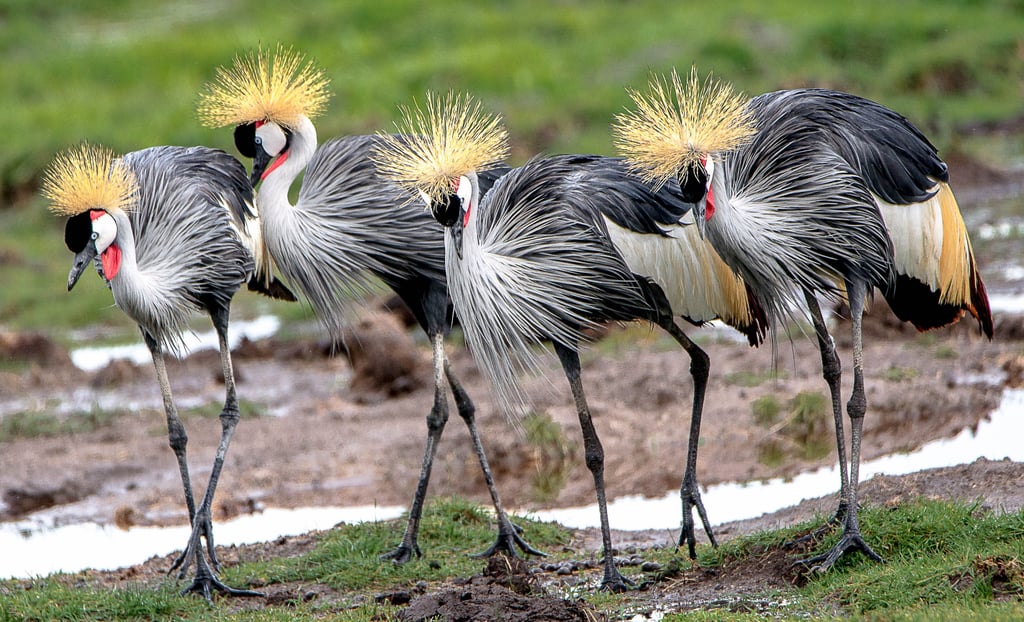
Grey Crowned Crane